Mumbai continues to dominate India’s property landscape as the country’s most expensive and dynamic real estate market. As we move into 2025–26, the city presents a mix of strong demand, evolving buyer preferences, and policy-driven changes. For both homebuyers and investors, understanding these trends is key to making informed decisions.
1. Strong Demand Keeps Prices Stable (and Rising)
Despite fluctuations in supply, Mumbai’s real estate prices have remained resilient. The average property rate in 2025 stood at around ₹26,975 per sq. ft., reinforcing its position as India’s costliest housing market.
Even in early 2026, prices have stayed stable due to sustained end-user demand and limited land availability.
Experts also predict gradual price appreciation moving forward, driven by consistent demand and premium housing preferences.
What this means:
- Buyers should not expect major price drops
- Investors can still benefit from long-term capital appreciation
2. Premium and Luxury Housing is Booming
One of the biggest shifts in Mumbai’s market is the growing dominance of luxury and premium housing. Properties above ₹1 crore now account for a significantly larger share of sales, with demand fuelled by high-net-worth individuals and NRIs.
Recent market activity also shows strong traction in upscale developments, with luxury projects achieving record-breaking sales.
Why this trend is growing:
- Rising disposable incomes
- Lifestyle upgrades post-pandemic
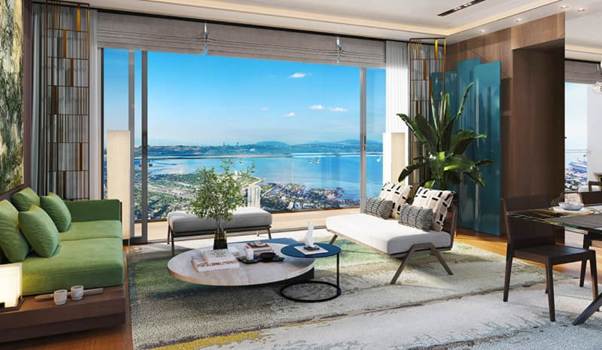
- Demand for larger, amenity-rich homes
Investor takeaway: Premium properties are emerging as high-return assets, especially in prime and redevelopment zones.
3. Supply Constraints and New Launch Cycles
While demand is strong, supply has seen fluctuations. Housing launches dropped significantly in 2025, hitting a multi-year low.
However, 2026 is expected to bring a rebound, especially after regulatory approvals and civic developments. Experts anticipate a surge in project launches, which may even trigger competitive pricing among developers.
Implication for buyers:
- More options in 2026
- Potential for better deals during new launches
4. Infrastructure is Driving Micro-Market Growth
Infrastructure continues to be a major catalyst for Mumbai’s real estate growth. Metro expansions, road connectivity, and redevelopment projects are unlocking new investment hotspots across the Mumbai Metropolitan Region (MMR).
Recent developments in metro expansion and connectivity are expected to boost suburban and peripheral areas significantly.
Hot investment corridors:
- Thane and Kalyan belt
- Navi Mumbai
- Central suburbs
Why it matters:
Improved connectivity increases property values and rental demand, making early investments highly rewarding.
5. Shift Toward End-User Driven Market
Unlike earlier cycles dominated by speculative investors, the current market is increasingly driven by end-users.
Recent data shows:
- Stable residential demand
- Preference for ready-to-move or near-completion homes
- Focus on quality, amenities, and location
For investors:
Rental yield and long-term holding strategies are becoming more important than short-term flipping.
6. Policy Reforms and Regulatory Changes
Government policies are also shaping the market in 2025–26. For example:
- Removal of certain land taxes in urban areas
- Proposed property tax relief for smaller homes
- Simplified redevelopment norms
These reforms aim to boost housing supply and improve affordability.
Impact:
- Faster project approvals
- Increased redevelopment activity
- Better opportunities in older housing societies
7. Commercial Real Estate Remains Strong
Mumbai isn’t just about residential growth. The city also recorded one of its highest office leasing volumes in over a decade, reflecting strong demand from businesses and global firms.
Flexible workspaces and BFSI sectors are key drivers, especially in areas like Lower Parel and Andheri.
Investor insight:
Commercial real estate continues to offer stable rental income and long-term value.
Final Thoughts
Mumbai’s real estate market in 2025–26 reflects a mature, resilient ecosystem shaped by strong demand, limited supply due to Limited land availability, and ongoing infrastructure upgrades. While prices remain high, the city continues to offer attractive opportunities for both homebuyers and investors.
Key takeaways:
- Mumbai has limited supply of Land making real estate supply limited which helps keep prices stable with gradual upward growth.
- Luxury housing is leading the market with increasing number of HNI in the city as Mumbai is the financial capital of India.
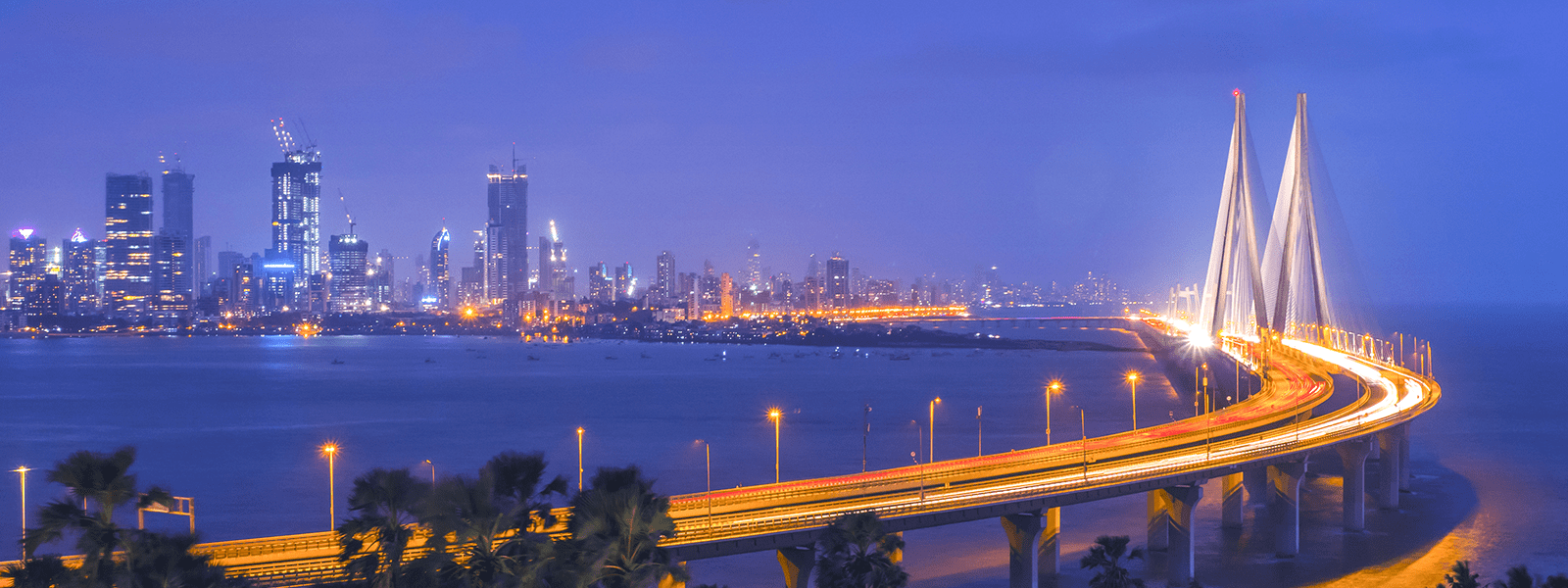
- Infrastructure projects such as Atal Setu, Easten Express freeway, Multiple metro lines, the ongoing sea link and coastal road projects is unlocking new hotspots.
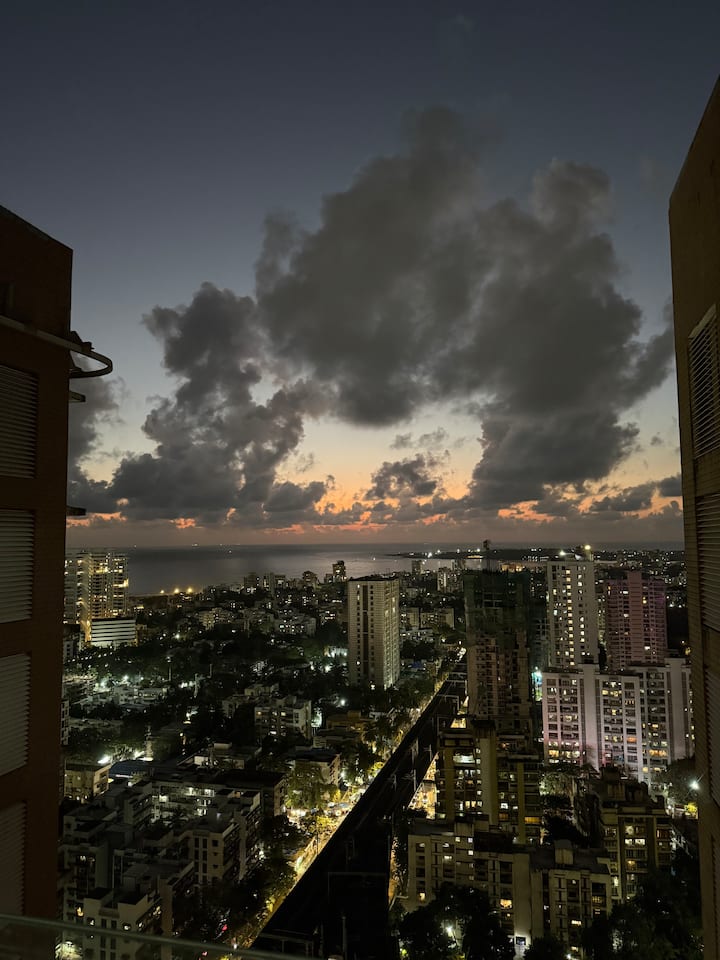
- 2026 will bring more supply with the city growing vertically with more efficiently planned projects with better elevation defining the Mumbai skyline.
For buyers, timing and location are crucial. For investors, focusing on long-term growth and infrastructure-backed areas will likely yield the best returns.