
Mumbai’s rental market in 2025–26 remains one of the most competitive and fast-moving in India. With rising property prices and increasing migration to the city, and the city having constant need to redevelop old projects due to limited Land availability renting continues to be the preferred choice for many professionals, students, and families. However, navigating this market requires awareness of pricing trends, legal rules, and practical considerations.
1. Rental Market Trends in 2025–26
Mumbai’s rental sector has shown strong resilience and growth over the past year. Rental demand remained high in 2025, particularly in areas close to business hubs and metro connectivity.
At the same time, rents have increased significantly. Across major Indian cities, rental inflation stabilized at around 7–9% in 2025, after sharp hikes in previous years post Pandemic in 2020.
Key trends shaping the market:
- Rising redevelopment projects in the city
- Increased hiring by MNC in the city across all management levels
- Strong demand to rent vs buying as its an asset light model.
What this means for tenants: Expect higher rents and limited negotiation power in prime locations.
2. Average Rent in Mumbai (Area-wise Insights)
Rental prices in Mumbai vary widely depending on location, connectivity, and amenities. In 2025–26, here’s a general snapshot:
- Bandra / Lower Parel / BKC: ₹70,000 – ₹1.5 lakh+ (2 BHK)
- Andheri / Powai / Ghatkopar: ₹35,000 – ₹90,000
- Navi Mumbai / Thane: ₹20,000 – ₹50,000
In prime areas like Bandra and Andheri, rents are significantly higher due to proximity to offices, lifestyle hubs, and transport.
Tip: If affordability is a concern, consider suburbs like Navi Mumbai or Thane, which offer better value with improving connectivity.
3. Choosing the Right Location
Location is the single most important factor when renting in Mumbai.
Popular tenant-friendly areas include:
- Bandra & Andheri: Ideal for professionals in media, finance, and startups
- Powai: Preferred for IT professionals and gated communities
- Navi Mumbai & Thane: Budget-friendly with growing infrastructure
Infrastructure projects like metro lines are directly impacting rents, with areas near new corridors seeing noticeable increases.
4. Security Deposit and Rental Agreements
In Mumbai, landlords typically require a security deposit of 3–6 months’ rent, depending on the property, tenant profile and negotiations.
Recent rental frameworks suggest:
- Deposits may be capped at around 3 months’ rent in some cases
- Rent increases are usually allowed once a year taking inflation into account.
Most rental agreements are:
- 36 months long (leave & license model) with 11 months being lock-in period for both parties
- Renewable upon mutual agreement
Important: Always register your agreement to avoid legal disputes.
5. How to Find a Rental Property
The home search process has evolved significantly in recent years.
- Over 40% of tenants now use online platforms to find homes
- Expat and HNI prefer word of mouth
- Social media is gaining importance in interacting with real estate agents
Popular methods:
- Property portals (NoBroker, MagicBricks, 99acres)
- Word of mouth (still common in premium areas)
- Social media & community groups
6. Costs Beyond Rent
Rent is just one part of your monthly expense. Tenants should also budget for:
- Brokerage fees (usually 1 month’s rent)
- Packers and movers charges & Utility bills
- Society move-in fees if applicable
Given rising rents, many tenants opt for flat-sharing or co-living spaces to reduce costs.
7. Tenant Preferences and Lifestyle Trends
Tenant preferences have shifted significantly in recent years:
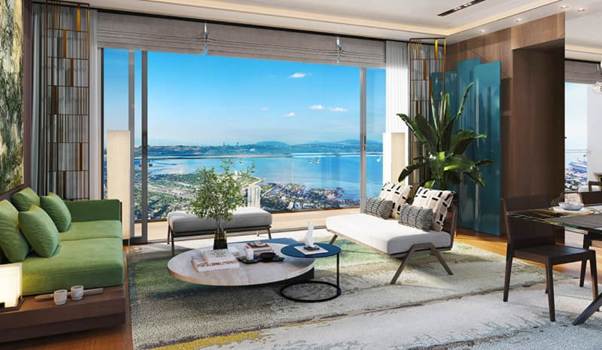
- Demand facingfor Luxurious Sea view homes and ready-to-move-in large size units
- Preference for gated societies with amenities
- Growing interest in co-living and shared spaces
- Focus on work-from-home friendly layouts
Young professionals (ages 25–35) dominate the rental market, reflecting Mumbai’s workforce-driven housing demand.
8. Key Challenges Tenants Face
While Mumbai offers diverse rental options, challenges remain:
- High rental costs in central locations
- Limited availability of quality affordable housing
- Competitive demand leading to quick deal closures
- Rising deposits and upfront costs
Additionally, increasing property prices are pushing more people toward renting, further tightening supply.
Final Thoughts
Renting a home in Mumbai in 2025–26 requires knowledge about neighbourhood , budgeting, and quick decision-making. With rising demand, stable rent growth, and infrastructure-driven price increases, tenants need to stay informed and flexible.
Key takeaways:
- Rentals are rising but still more accessible than buying
- Suburban areas offer better affordability
- Online platforms and social media are simplifying home searches
- Legal awareness and pricing trends are essential before signing agreements
For tenants, the smartest approach is to balance budget, commute, and lifestyle needs while acting quickly in a competitive market.